

Wire to Wire Connector Production Comprehensive Guide
The Unsung Hero of Reliable Electrical Systems: Waterproof wire to wire connectoer,Reliability of these enclosures hinges entirely on exquisite manufacturing craftsmanship and stringent quality control. This guide will take you through the precision manufacturing process of zhejiang CV, breaking down core procedures from raw material inspection to finished product testing, to help you gain more confidence in choosing reliable enclosures.
Material Selection
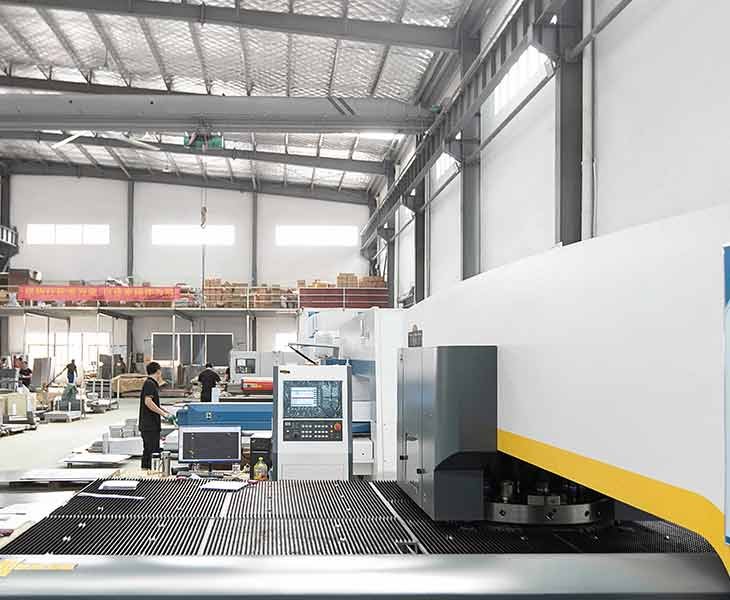
We always adhere to the principle of quality first: “Abandoning disposable enclosures” is our tenet, and the selection of materials is always the top key factor. We strictly choose core materials such as high-toughness PC, anti-aging ABS and corrosion-resistant stainless steel, directly resolving common problems such as brittleness, cracking and deformation of products used in outdoor or harsh environments from the source.
1.Injection Molding
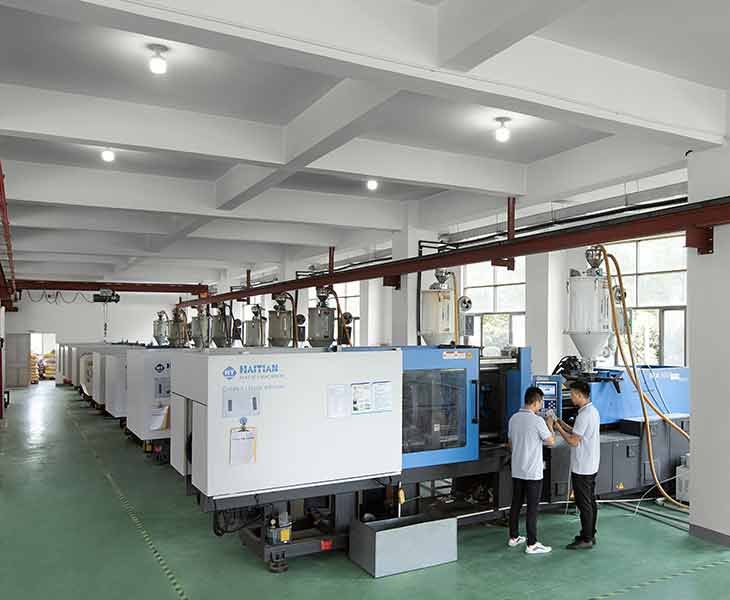
Injection molding is a large-scale processing technology. In this production process, raw materials are heated in a container. The materials are heated to their melting point and gradually melted into a liquid state, then injected into precision-machined molds under the high pressure of machinery. After being shaped and cooled to reach the target state, the finished products are finally ejected from the molds.
In terms of material classification, steel usually has a content than cast iron. It is by keeping the carbon content within this specific range that steel can strike a good balance between high strength and the necessary toughness. It has sufficient load-bearing capacity while retaining good workability and weldability. This combination of properties makes steel one of the most widely used metallic materials in industry.
Material Melting
Pour raw material pellets into a heated cylinder, and the continuous friction and heating of the screw accelerate their melting into a liquid state.
Injection
Inject the melted raw materials into the mold cavity under high pressure
Electric heating coils are evenly wrapped around the edge of the injection molding machine. Heat is continuously transferred to the plastic raw materials through the coils, and the screw stirs to ensure the raw materials are uniformly heated and reach a viscous fluid state.
The injection cylinder of the injection molding machine drives the screw to push forward, generating high pressure up to hundreds of megapascals, and injects the molten plastic into the mold cavity at high speed and pressure.
Temperature Control Process: We are equipped with a temperature controller, which precisely regulates the temperature of the heating coils.
Cooling and Solidification
Wait for the liquid to cool into a solid state to take the shape of the mold. (During production, we pre-process spiral water channels. Continuous cooling water is circulated during the production process to take away the heat of the molten material, enabling rapid cooling and shaping. The layout of the water channels is designed according to product shape and other characteristics.)
Sealing Structure Processing
As the core of IP protection, this process mainly focuses on “precision fitting and long-lasting sealing”, ensuring the tightness of multiple parts such as the enclosure body and cover, as well as cable entry holes.
Core Components: Sealing Ring + Sealing Groove + Hole Drilling Process + Testing Procedure
For the sealing ring material, we prioritize silicone or EPDM rubber. The sealing rings are manufactured through compression molding to fully match the contour of the enclosure body edge. Technicians calculate the compression thickness of the enclosure body and cover to ensure uniform force bearing. For special environments, the sealing rings are also subjected to anti-corrosion coating impregnation treatment, greatly improving the weather resistance of the product.
For the processing of sealing grooves, we adopt high-precision CNC machining to ensure the thickness of the enclosure body and the size of the sealing rings, and guarantee the groove walls are smooth and flawless. The chamfering of the groove edges is also well-processed, preventing the sealing rings and grooves from shifting, twisting or other deformations.
The processed sealing rings are precisely installed manually with tooling positioning. Special sealant is randomly applied to the contact surface between the sealing rings and grooves, achieving a double protection on the basis of IP68 waterproof rating.
Surface Treatment
Anti UV Coating Spraying: Adopt anti-static spraying process to cover a layer of anti-ultraviolet coating on the enclosure surface, effectively preventing yellowing, brittleness and cracking of the enclosure caused by outdoor exposure, and greatly extending the service life of the product.
Frosted/Matte Treatment: This process adopts sandblasting or chemical matting technology to remove stains on the enclosure surface, giving it a luster and a delicate frost